Technology
Bitcoin capacity: why fees and waiting times change
We explain why a Bitcoin payment may have to wait for confirmation and how block capacity, transaction size and the fee rate are connected.
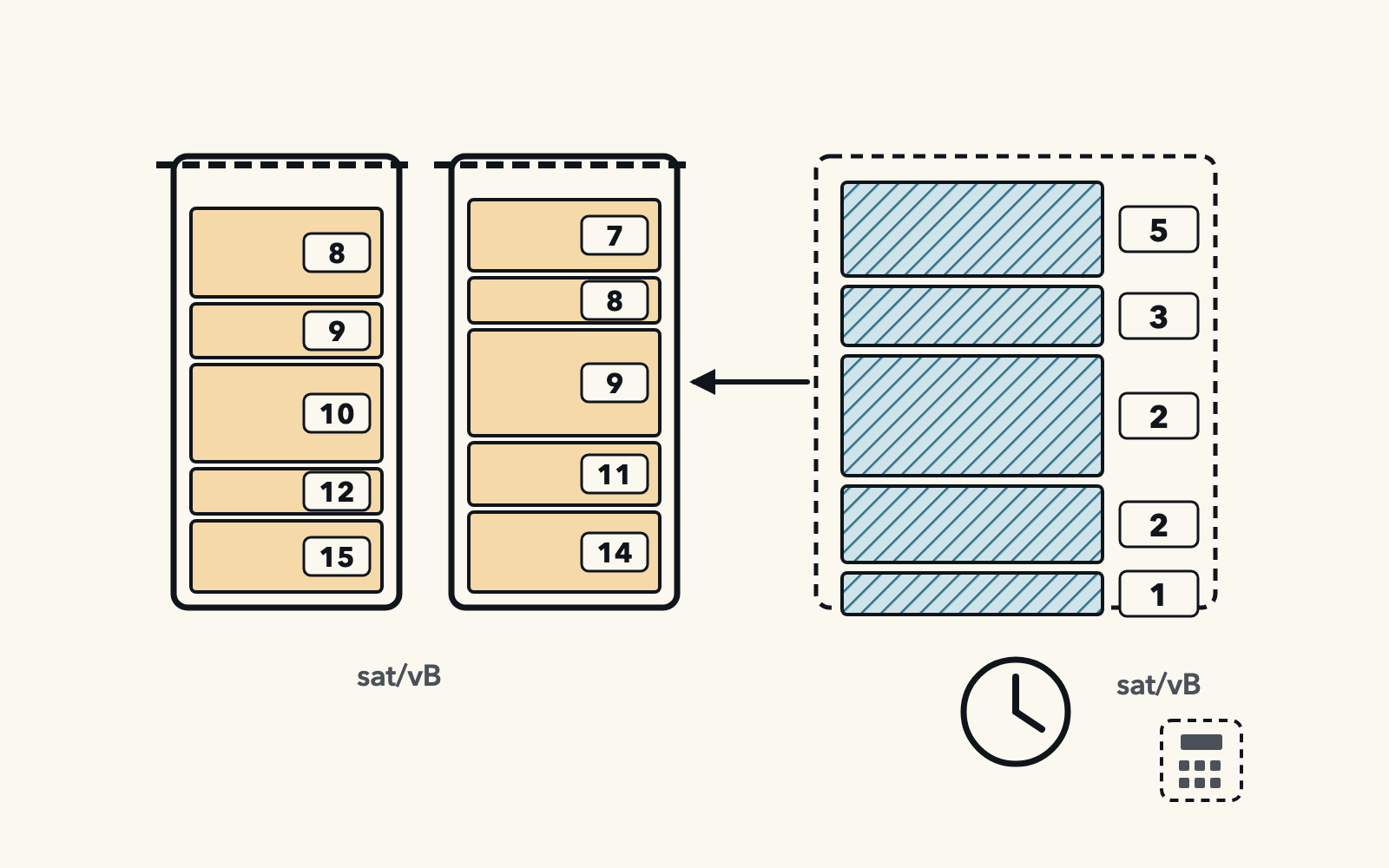
The illustration contains Czech text and has not been localised.
A block as limited space
You send a payment, and your wallet still shows zero confirmations. What determines when it gets into a block? Bitcoin records confirmed transactions in a public chain of blocks. Each block has limited space, and the time between blocks varies. On the main network, mining difficulty is recalculated every 2,016 blocks against a target of about two weeks, or about ten minutes per block on average.
When all pending transactions cannot fit into a block, some have to wait for another opportunity. Transactions take up different amounts of space depending on how they're built.
How capacity is measured
The old limit was 1 MB. Simply raising it would require a hard fork, a rule change under which older nodes could reject new blocks, as the developer guide explains. SegWit (BIP 141) introduced block weight. The size excluding witness data is counted three times, and the full size including witness data once. The sum cannot exceed 4,000,000 weight units. A transaction's virtual size in vB is its weight divided by four and rounded up.
The specification lists SegWit as deployed. Two blocks of the same weight can contain different numbers of transactions. It depends on their composition and size. The number processed over a given period also depends on how far apart the blocks arrive.
Fees by size and demand
To compare fees, use the rate in satoshis per virtual byte (sat/vB). At the same rate, a larger transaction costs more. Rates change with demand for block space. The amount you send does not determine the rate.
A wallet can suggest a fee based on the expected wait. When demand is high, a transaction with a low fee rate can go unconfirmed for some time. The estimate can change while you wait.
Confirmation and waiting
A transaction gets its first confirmation when it is included in a block accepted by the network. Each subsequent block on that chain adds a confirmation. The original proposal models the probability that an attacker can catch up. Individual blocks can arrive sooner or later than ten minutes apart. How many confirmations are needed depends on the value of the payment and how much certainty the recipient needs.
How the limitation is handled
Lightning Network moves individual payments into channels off the blockchain. Funding and closing a channel still uses the base network, as can resolving disputes. A Lightning payment depends on a usable route and available liquidity in its channels. The Lightning article explains how that works.
Summary
- Block space is limited. Pending transactions may compete for inclusion.
- The fee depends on the transaction's virtual size and the rate offered.
- The first confirmation arrives when the transaction enters an accepted block. The wait can vary.
- The number of transactions per second varies with transaction size and the time between blocks.