Full node and miner: who verifies what in Bitcoin
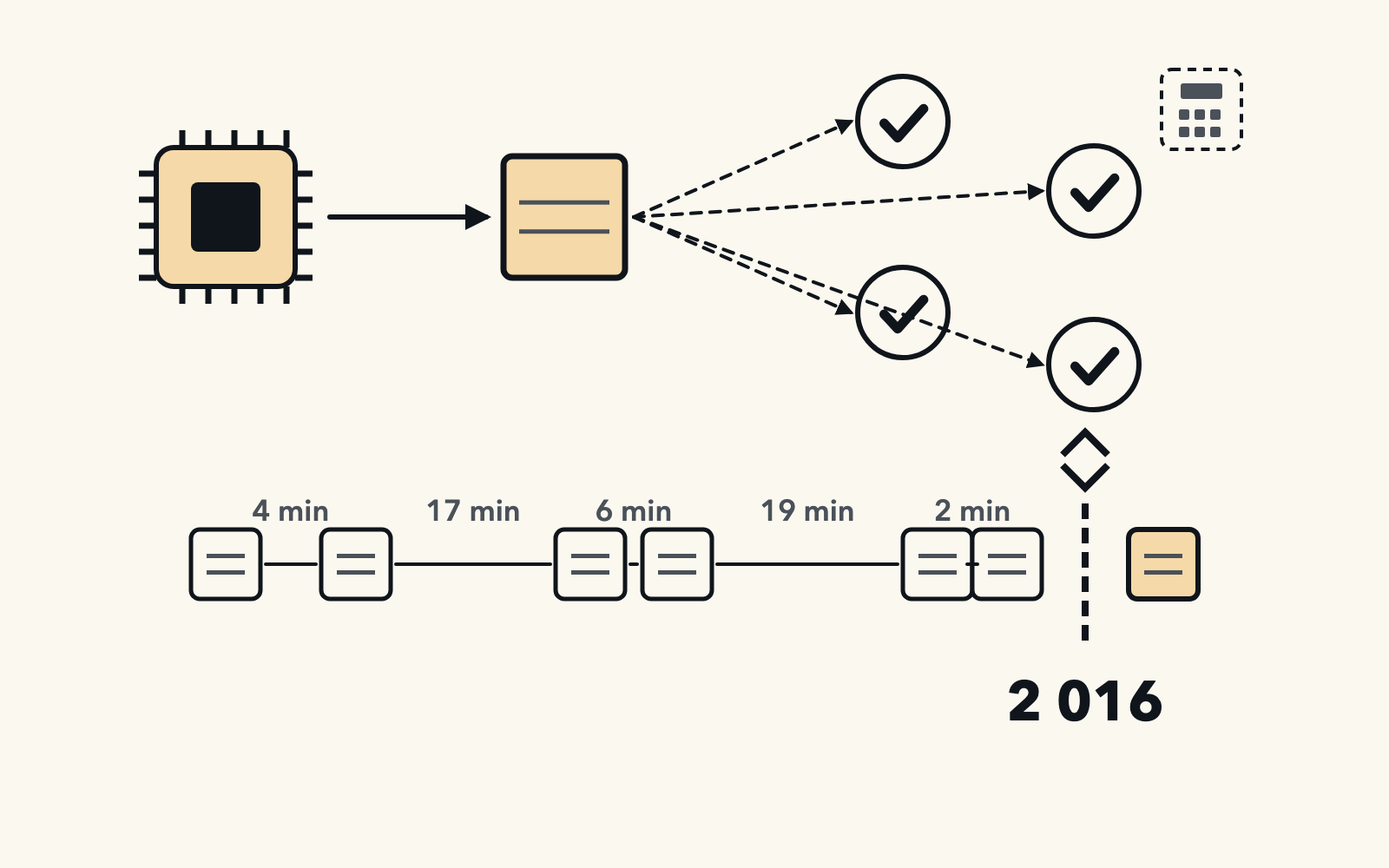
A miner searches for a new block, a full node checks its validity. These roles may meet in one operator, but each answers a different question.
Transactions, mining, Lightning and the limits of the Bitcoin network.
A miner searches for a new block, a full node checks its validity. These roles may meet in one operator, but each answers a different question.
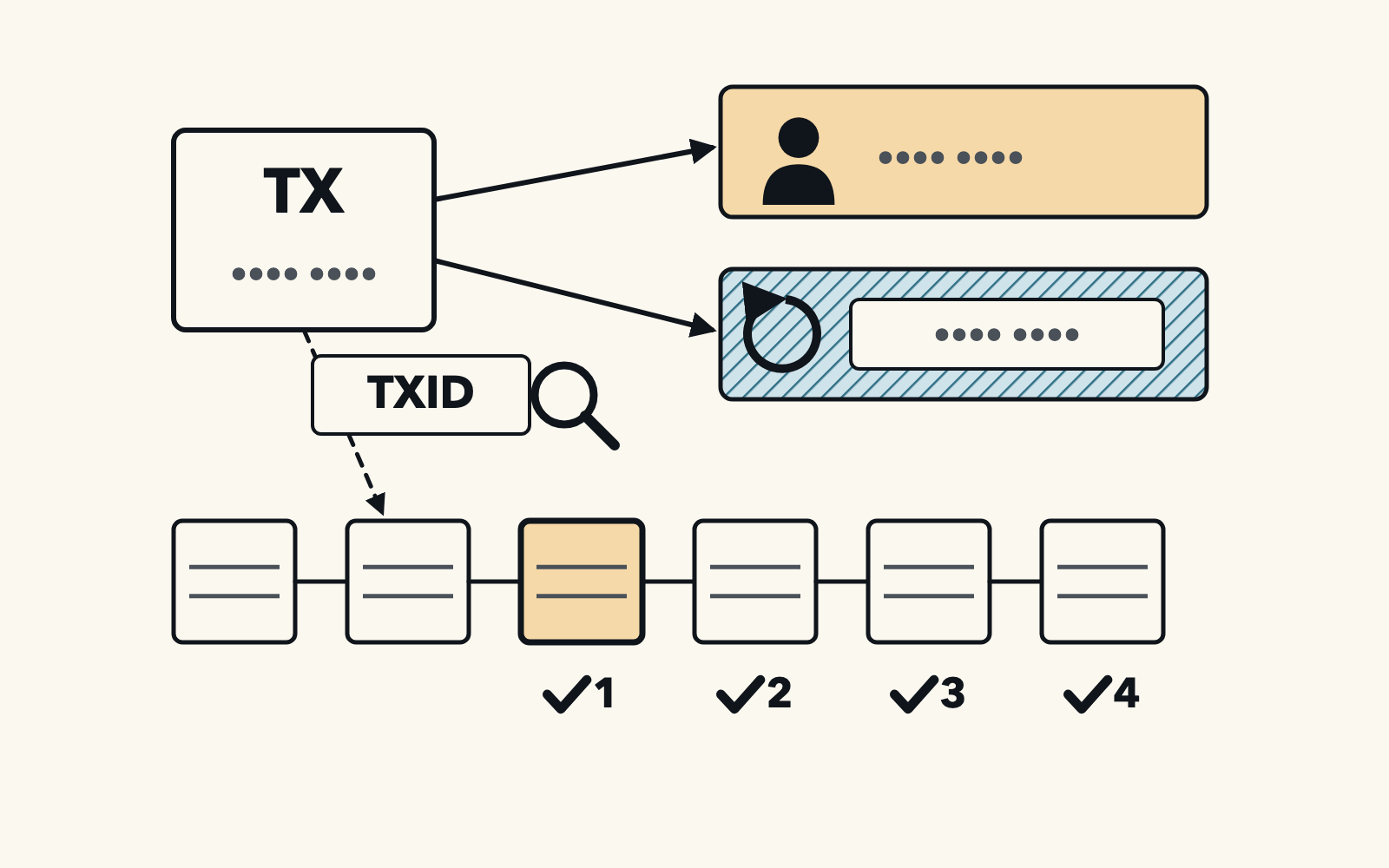
A wallet shows a balance, but a Bitcoin transaction spends earlier outputs. Using a model payment, we distinguish the amount for the recipient, the change returned and the fee.
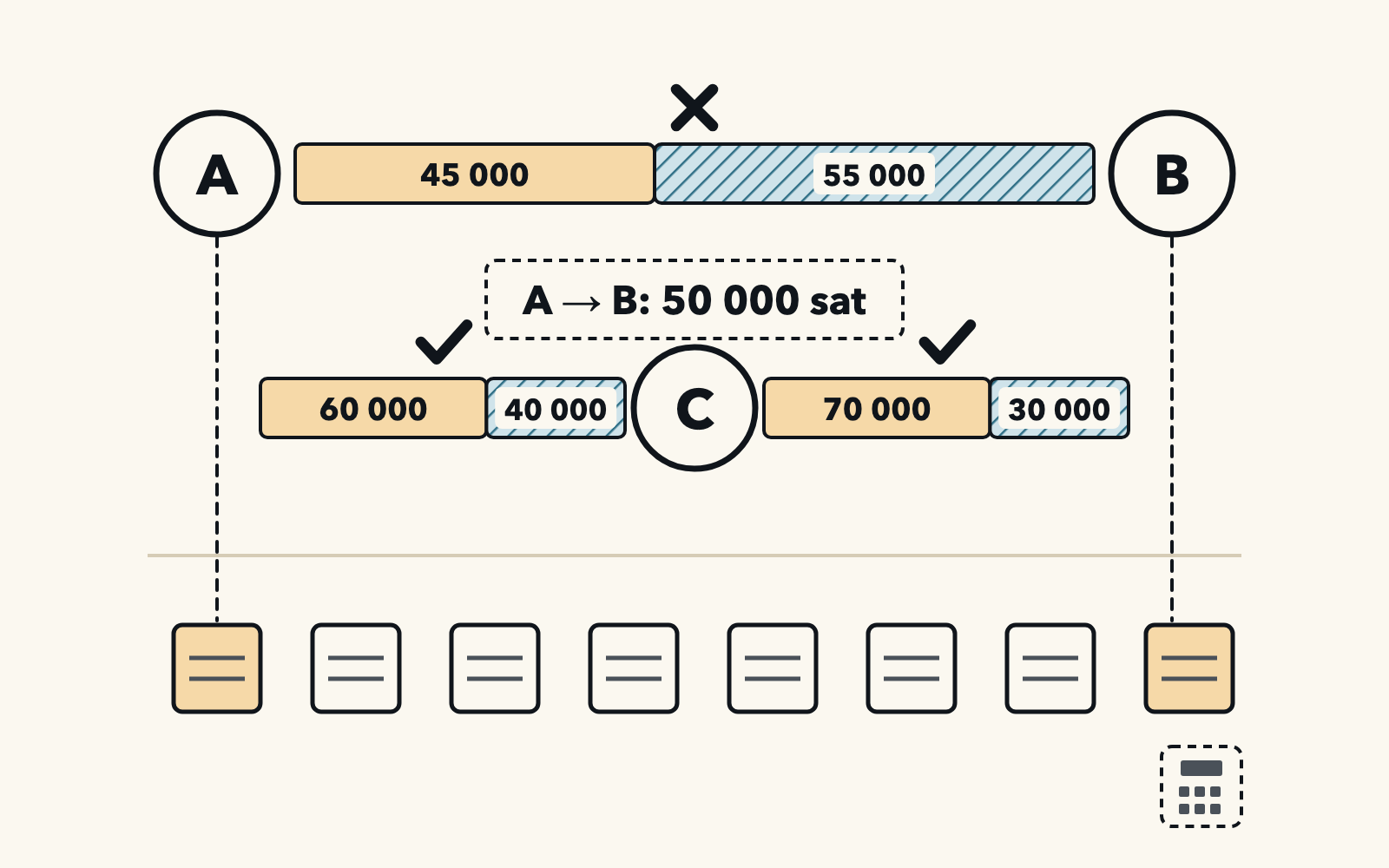
The Lightning Network is a layer on top of Bitcoin that allows payments off the blockchain through a network of payment channels. Speed has its price: liquidity, channel management and risks that are good to know about.
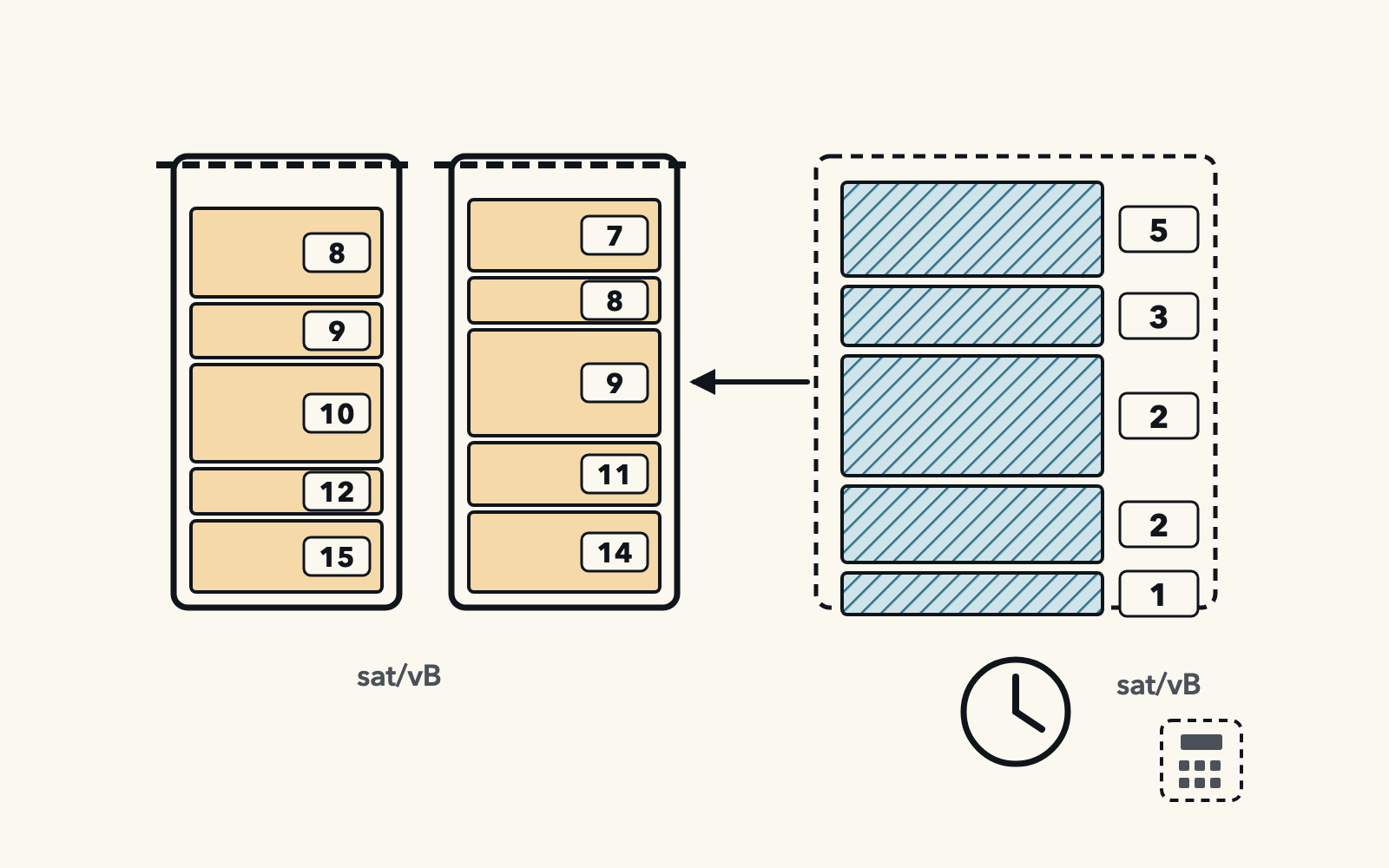
We explain why a Bitcoin payment may have to wait for confirmation and how block capacity, transaction size and the fee rate are connected.
Bitcoin aims for an average spacing of blocks of around ten minutes. The difficulty of the search adjusts in periods of 2,016 blocks, but it sets no fixed deadline for an individual block.