Skip to content

Bitcoin

Understand Bitcoin. Know what to do next.

The basics, buying, and trouble with a payment. Choose according to what you need right now. You can return to the guides at any time and keep reading in the magazine.

Start with these three

Basics

How Bitcoin began and why it changed digital payments

Bitcoin arose as an answer to a specific technical problem: how to send value over the internet without a bank having to confirm the transaction. Here is a brief route from the 2008 paper to the pizza payment of 2010.
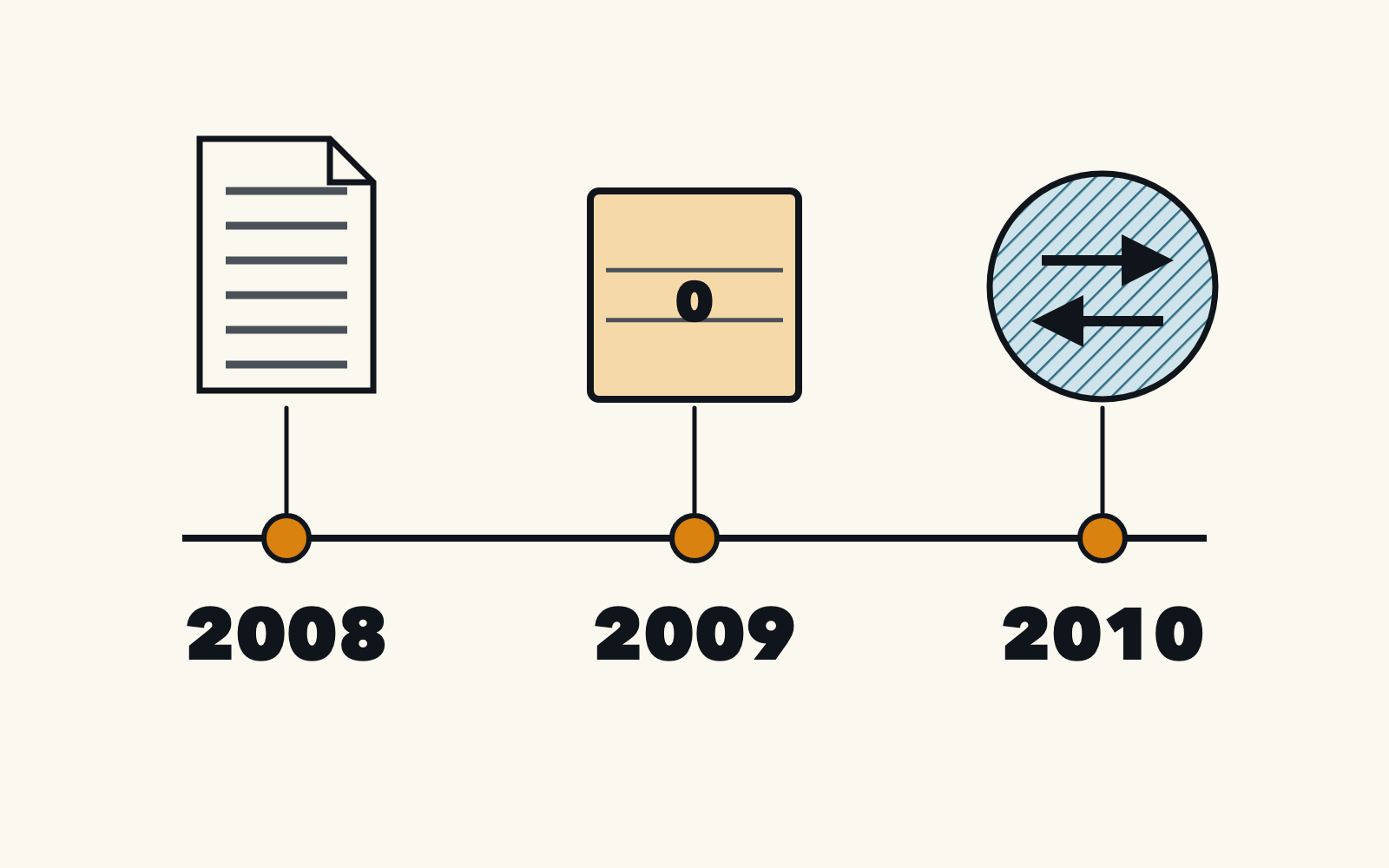
Timeline: 2008 the Bitcoin description (whitepaper), 2009 the network launch, 2010 a documented exchange announcement.
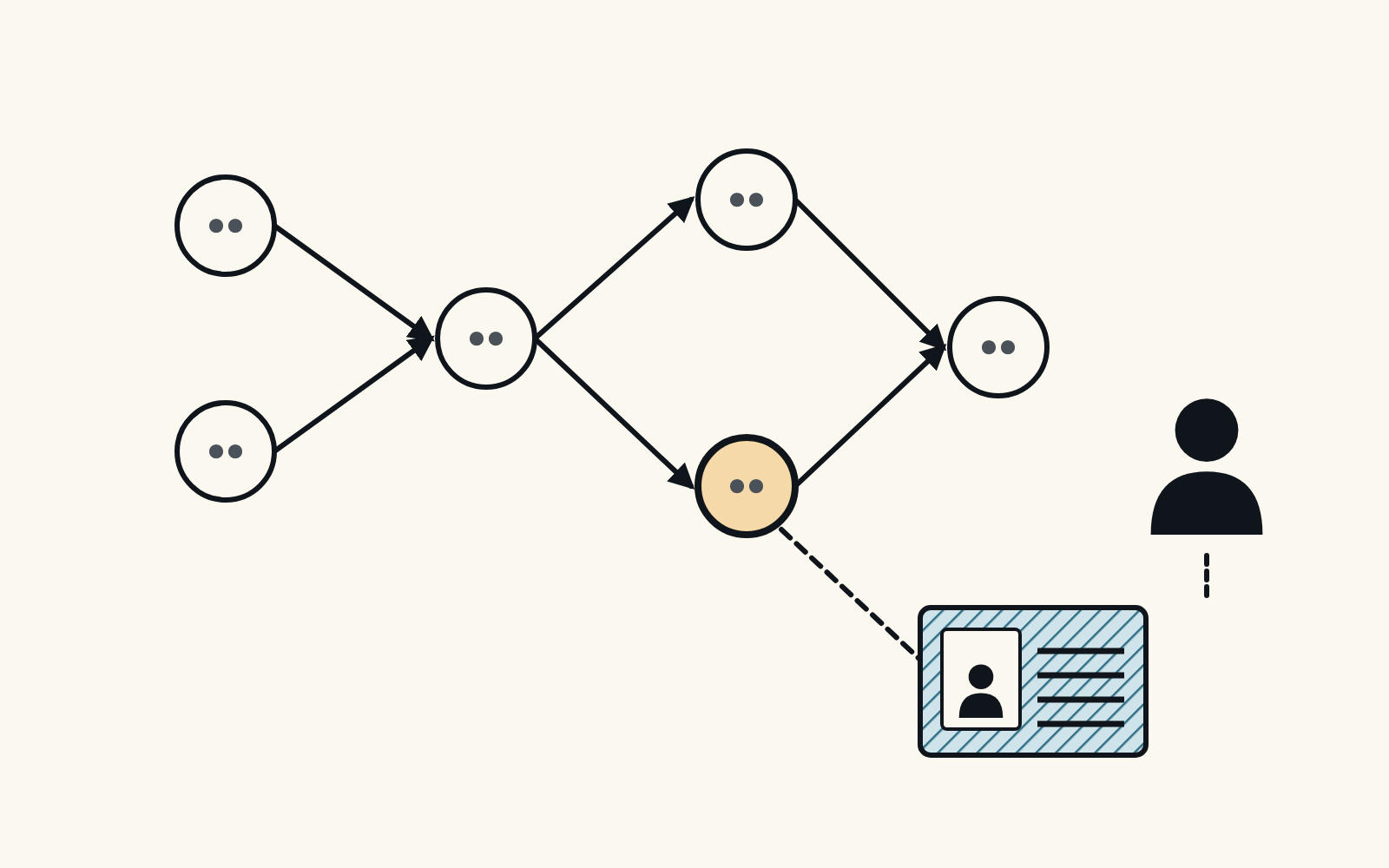
Links between outputs are public. A single piece of outside information can tie one output to a specific person.

Security

Is Bitcoin anonymous? What a public blockchain reveals about you

Bitcoin is often called anonymous. It is more accurate to say that transactions are public and addresses carry no name. How easily an address is linked to a particular person depends on how you handle it.

From the magazine

Bitcoin basics, technology, buying and security.

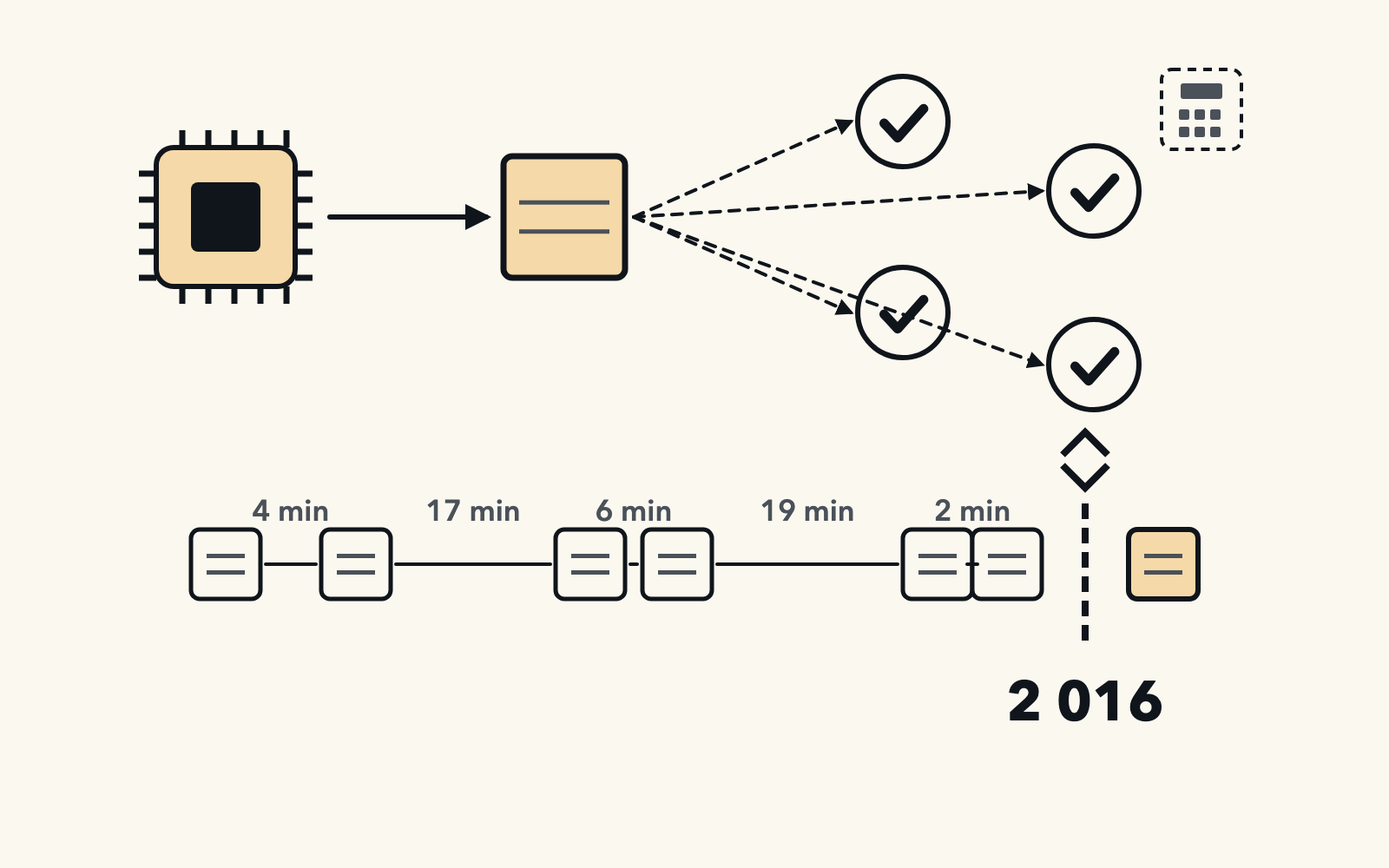
A miner proposes a block and full nodes verify it against the rules. Block intervals vary; difficulty adjusts every 2,016 blocks.

Technology

Full node and miner: who verifies what in Bitcoin

A miner searches for a new block, a full node checks its validity. These roles may meet in one operator, but each answers a different question.

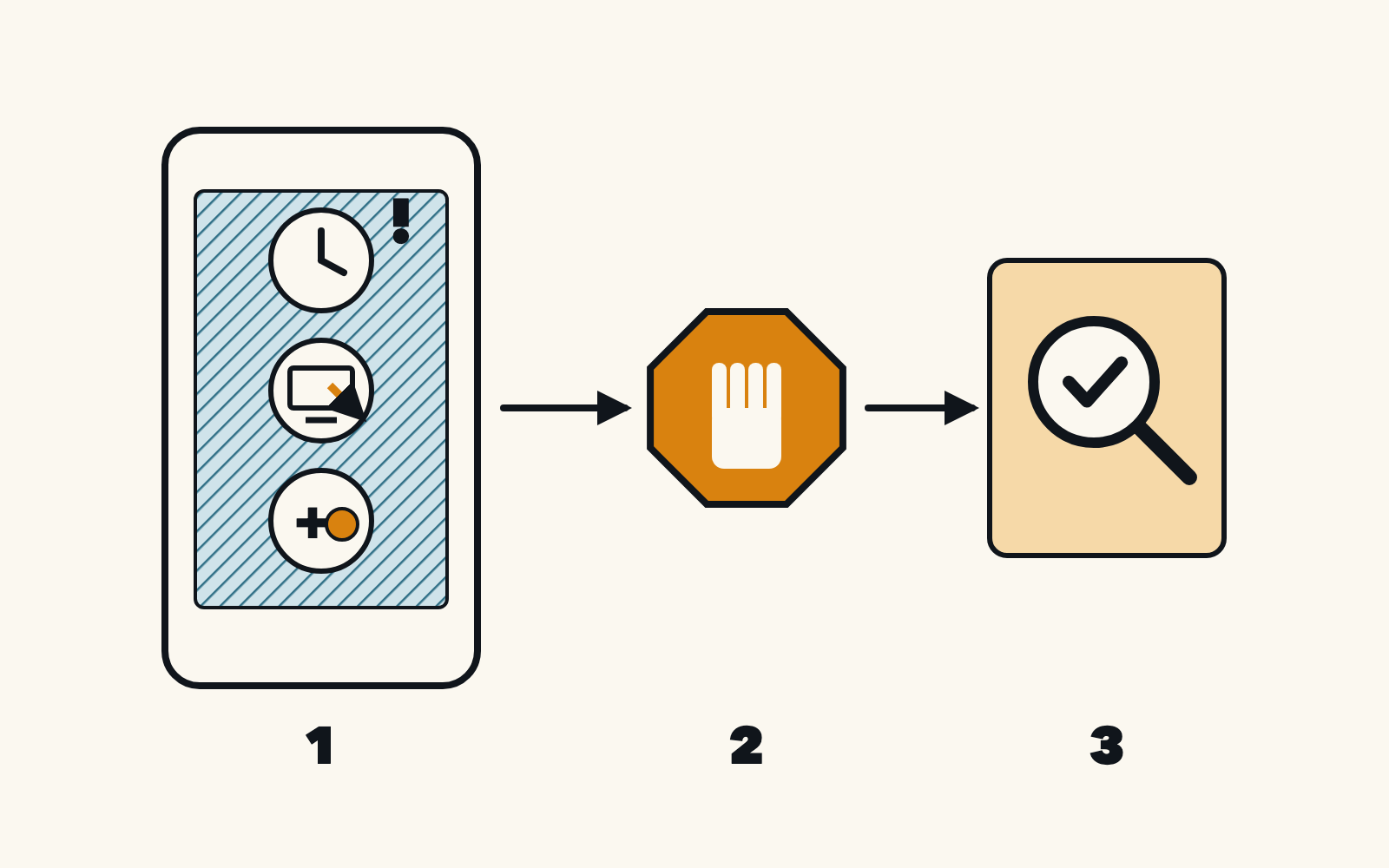
Three steps: spot pressure, a request for remote access or another payment; stop; verify the offer independently.

Security

How to recognise a crypto scam: warning signs and safe steps

Fraudulent investment offers often make use of cryptocurrencies. An overview of warning signs according to the Czech National Bank, the Czech Police and the European supervisory authorities, and how to deal with an offer.

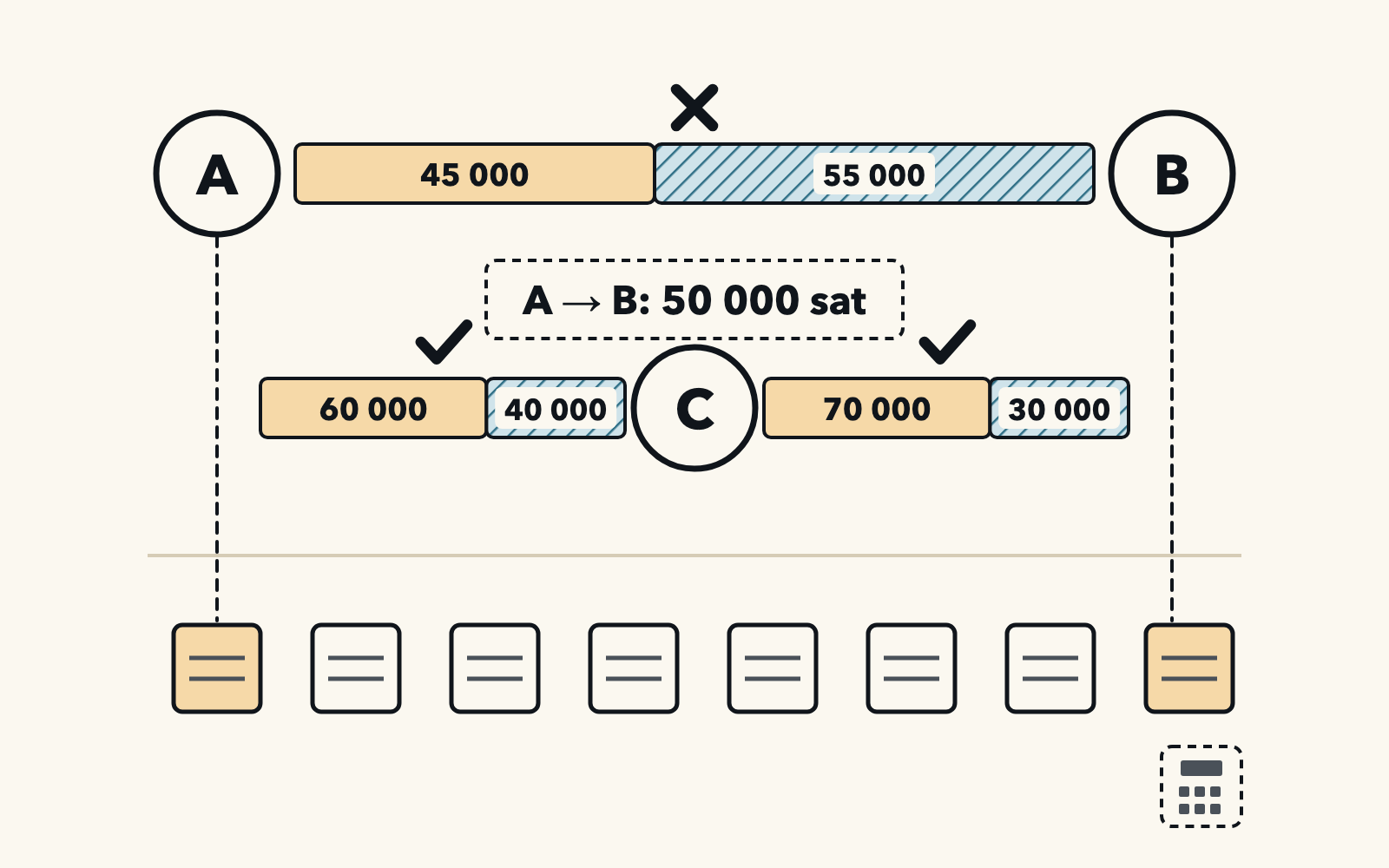
A 50,000 sat payment from A to B cannot use the direct channel with too little liquidity, but it can route through node C. The base layer is shown below.

Technology

What the Lightning Network is and what its limitations are

The Lightning Network is a layer on top of Bitcoin that allows payments off the blockchain through a network of payment channels. Speed has its price: liquidity, channel management and risks that are good to know about.

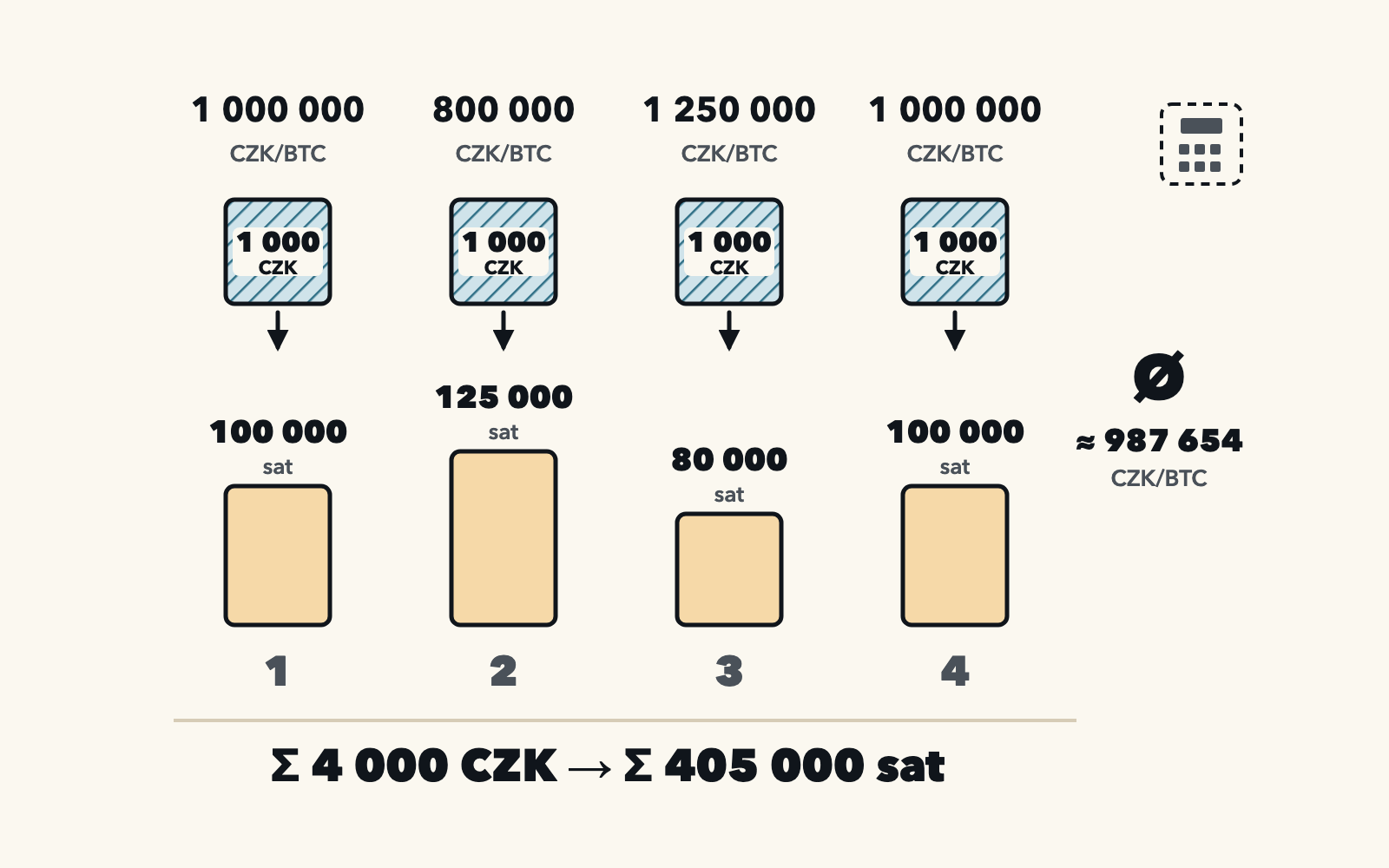
A model calculation: four purchases of CZK 1,000 at different rates give 405,000 sat (0.00405 BTC), an average of about CZK 987,654 per BTC.

Buying and strategy

What DCA means and how regular Bitcoin purchases work

DCA means buying for the same amount at regular intervals, regardless of the current price. We explain how it works using hypothetical figures and show what regular purchases cannot address.

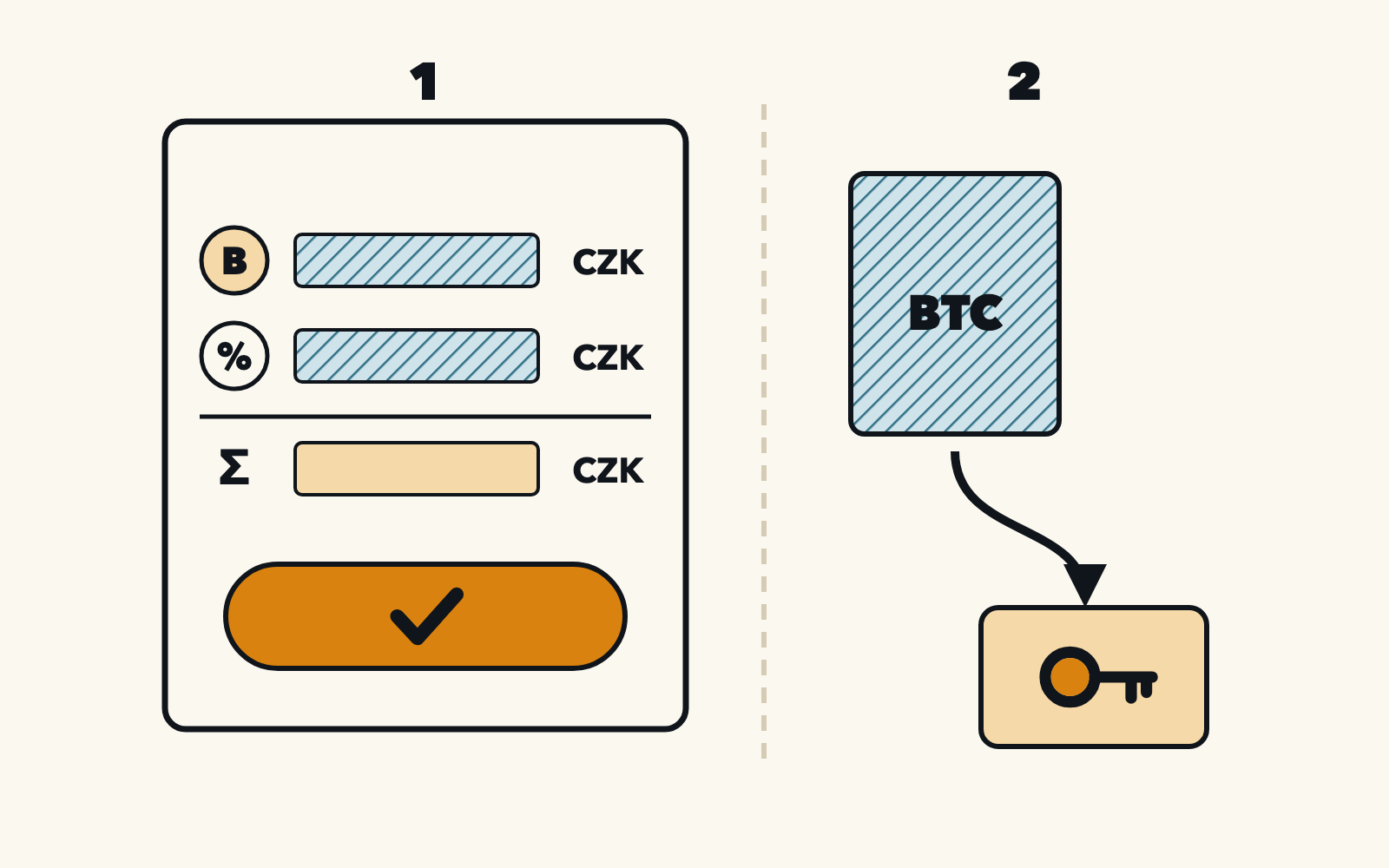
Buying and withdrawing are two separate steps. Before confirming the purchase, check the price, the fees, the total and whether you can withdraw.

Your first Bitcoin purchase: from choosing a service to checking the result

Before your first purchase, be clear about what you are buying, how much you will pay in total and how you will get the bitcoin into your own wallet. The guide leads you through the individual decisions without recommending a particular exchange; specific services serve only as examples from their documentation.

A miner proposes a block and full nodes verify it against the rules. Block intervals vary; difficulty adjusts every 2,016 blocks.

Technology

Mining difficulty: why ten minutes is not a timetable

Bitcoin aims for an average spacing of blocks of around ten minutes. The difficulty of the search adjusts in periods of 2,016 blocks, but it sets no fixed deadline for an individual block.

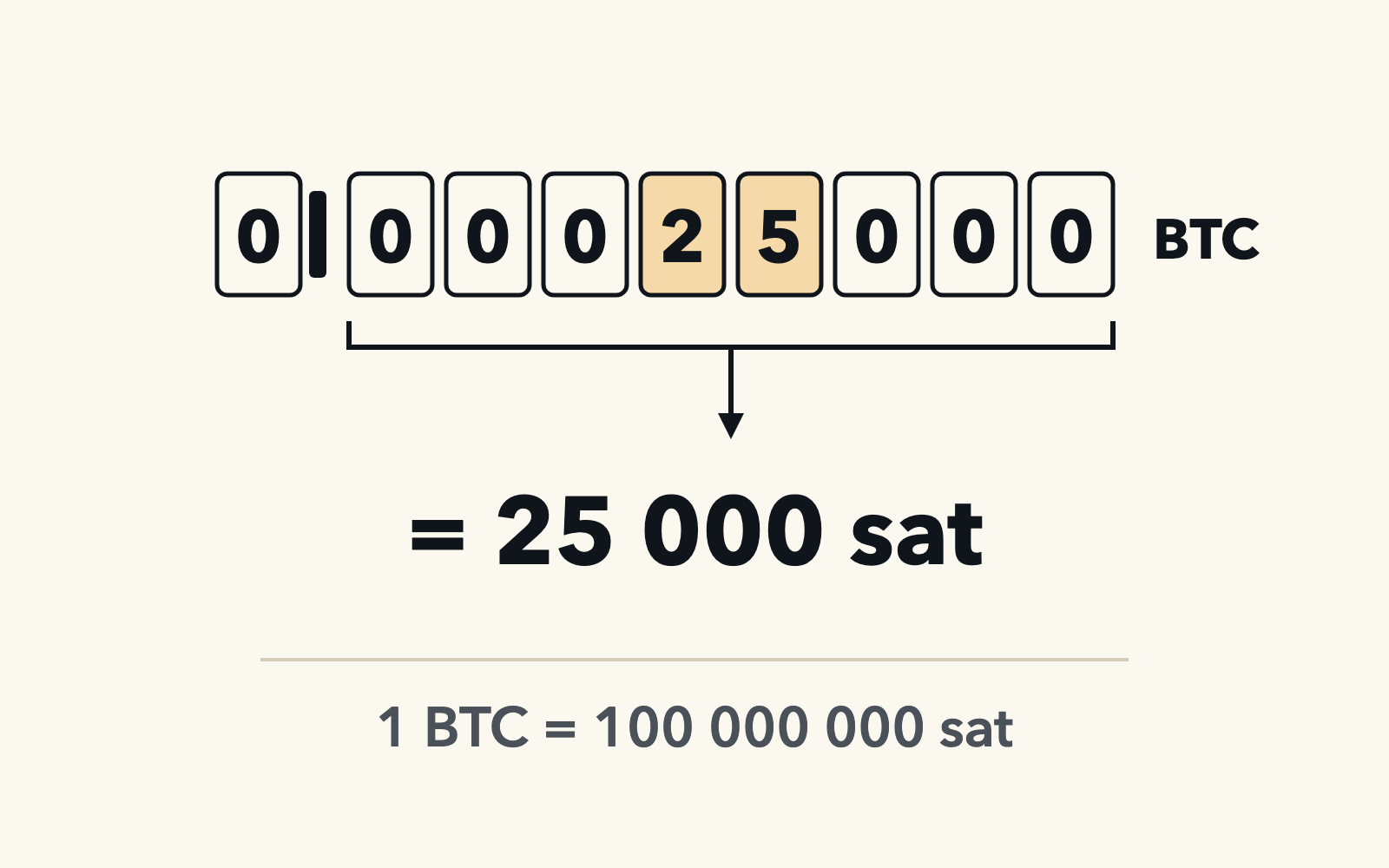
The same amount written in two units: 0.00025000 BTC is 25,000 satoshi (sat).

Basics

BTC and satoshi: how to read amounts without losing zeros

One bitcoin consists of 100 million satoshis. A conversion does not change the value of an amount, only how it is written. Using model examples, we show conversions and the difference between an amount and a fee rate.